Sponsored article
What does ACR accreditation mean for a facility, and how do you obtain it?
- How does ACR accreditation work in practice?
- What changes for the facility itself after accreditation?
- What role does the MRI Phantom ACR play in the accreditation process?
- How to prepare for obtaining the certificate?
- What should you know about ACR accreditation?
- Is ACR accreditation mandatory?
- How often must accreditation be renewed?
- Is the MRI Phantom ACR used only for accreditation?
A patient choosing a diagnostic facility wants to be confident that the examination will be performed correctly the first time. In practice, this means imaging accuracy, repeatability of results, and appropriate quality control procedures. ACR accreditation is one of the confirmations that these conditions are met. It is a formal evaluation process covering equipment, personnel, and the way examinations are conducted.
Read more: The Role of Vitamin K2 in Maintaining Vascular Elasticity
How does ACR accreditation work in practice?
The accreditation process of ACR accreditation involves several stages and does not end with a single inspection. The facility must provide technical documentation of the equipment, procedure descriptions, and test samples. Specific image parameters, such as resolution or noise levels, are evaluated. In many cases, submission of quality test results is required. The certificate is issued for a set period, usually several years, after which re-evaluation is necessary. This ensures the long-term maintenance of standards.
What changes for the facility itself after accreditation?
After receiving the certificate, the facility gains formal confirmation of service quality. This is important when collaborating with medical partners and funding institutions. In many countries, it is also a requirement for participation in reimbursement programs. Additionally, it facilitates the implementation of consistent internal procedures. Staff work according to clearly defined guidelines, which reduces errors and shortens result analysis time.
What role does the MRI Phantom ACR play in the accreditation process?
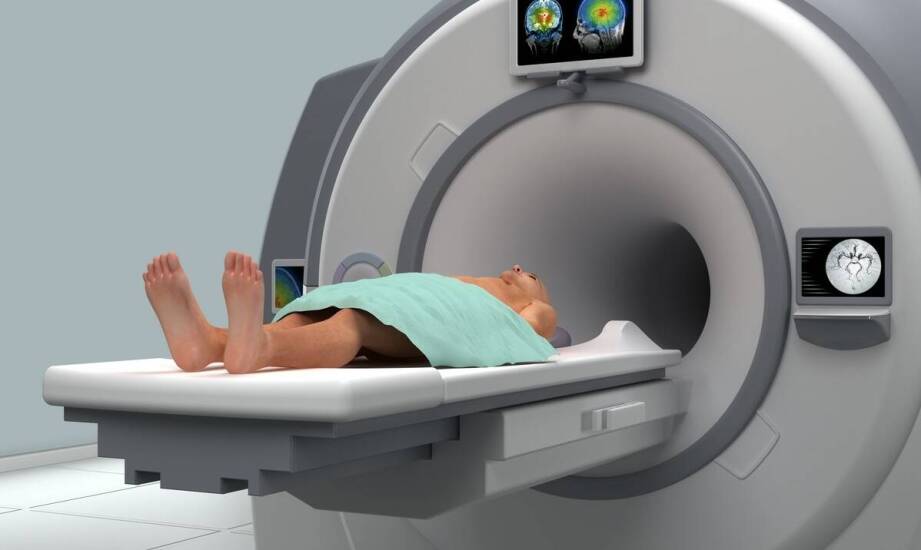
The ACR MRI Phantom is a tool used to test imaging quality in magnetic resonance imaging. It is a special object with a known structure that allows checking whether the device is functioning properly. During testing, a series of scans are performed, and the resulting images are analyzed. This allows assessment of signal uniformity and detail accuracy, among other things. The results of these tests are part of the documentation required for accreditation. Regular use of the phantom also helps detect deviations before they affect patient examinations.
How to prepare for obtaining the certificate?
To obtain ACR accreditation, the facility must organize documentation and implement a quality control system. In practice, this means introducing cyclical equipment tests and staff training. It is also important to archive results and analyze them. The preparation process can take from a few weeks to several months, depending on the organization’s level of advancement. A systematic approach, rather than one-off actions, is crucial.
What should you know about ACR accreditation?
-
ACR accreditation confirms the quality of examinations and compliance with defined standards.
-
It includes assessment of equipment, procedures, and staff competence.
-
The MRI Phantom ACR is an essential part of imaging quality tests.
-
The certificate requires continuous maintenance of standards and periodic verification.
FAQ
Is ACR accreditation mandatory?
Not always, but it is often required when collaborating with funding institutions or medical partners.
How often must accreditation be renewed?
The certificate is issued for a set period, usually several years, after which re-evaluation is required.
Is the MRI Phantom ACR used only for accreditation?
No, it is also used for regular quality control of the device in daily practice.
You might be interested

What elements determine the high quality of pork meat?

Why Consider Purchasing a Fuel Tank for Large Enterprises?

Heat Sealers in Modern Production – Practical Applications and Technological Solutions
