Sponsored article
How Ticket Reward Systems Work and What Affects Their Efficiency
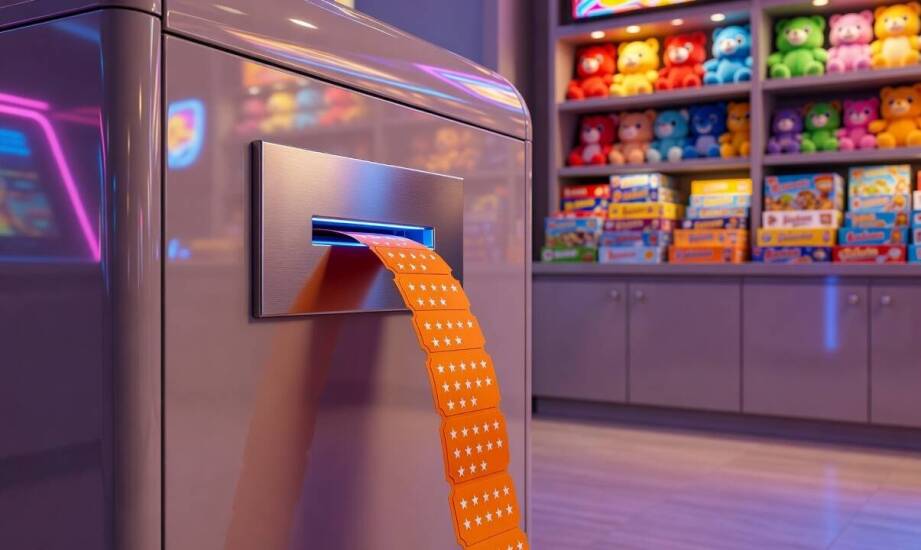
Ticket-based reward systems play a much larger role in Family Entertainment Centres than simply serving as an arcade attraction. For operators, they are valuable tools that influence guest flow, gameplay duration, and the overall budget allocated to the prize area.
Read more: Key features that mats for heavy use in public places should have
This type of environment is built around engagement and instant feedback. Higher scores automatically translate into more tickets or points, encouraging players to spend more time at individual attractions. A well-designed redemption ecosystem helps operators manage equipment usage, optimise operating costs, and maintain smooth service during peak visitor periods.
Read more: Innovative Technologies in Sheet Metal Deburring Machines – What to Know
The Ticket Cycle and Redemption Models in Family Entertainment Centres
The process begins when a player starts a game and earns a score that generates a corresponding number of tickets or reward points. These rewards may be stored as paper tickets or digitally on a dedicated game card before being exchanged for prizes.
Read more: Indoor Entrance Mats as a Floor Protection Element in Commercial Spaces
The transaction is completed when the management system processes the ticket value and updates inventory records for redeemed prizes. Operators can configure the value of individual points relative to the cost of prizes, helping maintain profitability while ensuring players have a clear goal as they accumulate rewards.
Different redemption models influence the movement of guests throughout a venue. In traditional systems, paper tickets are dispensed directly from the machine and later presented at a prize counter, where staff count the tickets and provide rewards.
A more streamlined approach relies on self-service redemption. In this model, prize redemption machines instantly dispense small rewards or allow players to exchange digital points independently.
Self-service redemption can shorten waiting times and reduce congestion around main prize counters.
Large entertainment venues often implement hybrid solutions. During quieter hours, guests may rely primarily on automated systems, while staffed redemption counters help manage demand during busy weekends and holiday periods.
Hardware Architecture and Redemption Software
A standard redemption unit consists of several interconnected mechanical and electronic components.
At the core is a ticket-distribution mechanism that uses drive rollers, optical sensors, and integrated cutting systems to process tickets accurately. Additional components may include barcode scanners, touch-screen interfaces, and receipt printers.
Operational interruptions are usually caused by physical obstructions inside the ticket mechanism. Common issues include contaminated moving parts, damaged ticket strips, or malfunctioning optical sensors that detect paper perforations.
Regular maintenance typically includes cleaning optical components and calibrating ticket-cutting mechanisms to ensure reliable operation.
The speed at which data is processed directly affects user experience around redemption areas. A clear interface allows guests to browse rewards efficiently and make purchasing decisions independently.
Smooth performance also depends on integration with point-of-sale systems, inventory management software, and reporting platforms.
Real-time databases automatically update inventory records immediately after a prize has been redeemed.
Centralised information flow reduces discrepancies during financial reconciliation and provides operators with better oversight of virtual currency circulation throughout the venue.
Why System Integration Matters
The true value of a professional redemption system becomes most visible during peak operating periods, when dozens of guests interact with the reward ecosystem simultaneously.
Success depends on the combination of reliable hardware, stable network infrastructure, and efficient operational procedures. Quick access to spare parts and standardised maintenance processes help reduce mechanical downtime.
Advanced analytics generated by integrated software platforms also provide valuable operational insights. Managers can monitor prize popularity, track player spending behaviour, and forecast future inventory requirements.
The comparison of ticket issuance data with redemption history creates a detailed picture of guest preferences and engagement levels across the venue.
Supporting Long-Term Operational Efficiency
Properly structured systems allow operators to focus on customer experience rather than constantly monitoring equipment performance.
Magic Play develops amusement and redemption solutions together with software systems designed to manage score tracking and reward distribution within entertainment venues.
The close integration of hardware and software helps reduce communication errors and supports smoother day-to-day operation.
Reliable technology infrastructure improves reporting transparency, staff productivity, and overall guest satisfaction. Efficient information exchange between games, redemption systems, and inventory management platforms enables operators to maintain a seamless experience while maximising operational efficiency.
You might be interested

What elements determine the high quality of pork meat?
Why Consider Purchasing a Fuel Tank for Large Enterprises?

What Are the Future Directions for Contract Manufacturing of Nutritional Supplements?